

Imagine Morocco · Destination guide
Rabat Travel Guide: Kasbah, Royal Monuments, and a Two-Day Plan
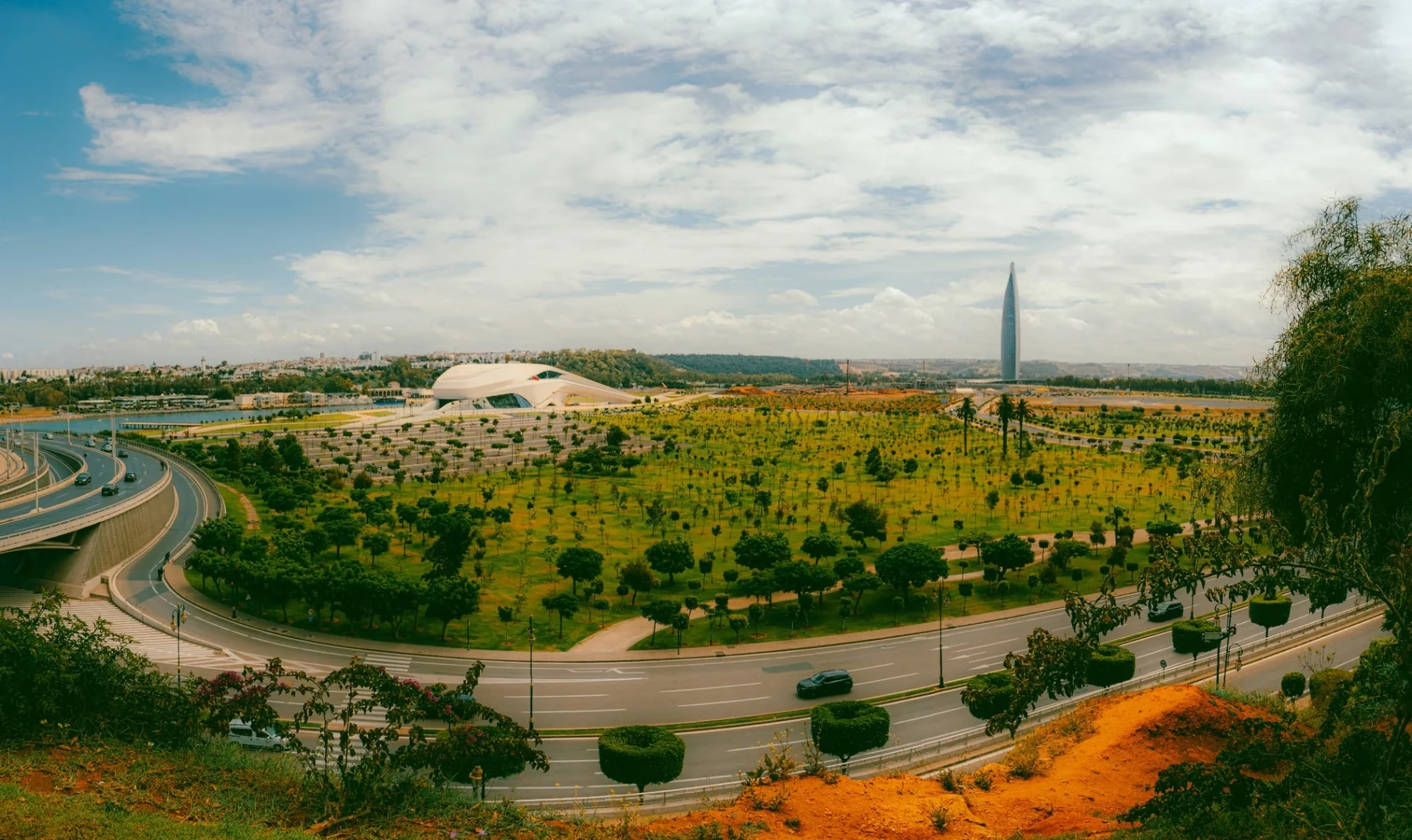
Bouregreg landscape, Rabat · Imagine Morocco image library
Rabat combines royal landmarks, an approachable medina, and a coastal setting with the everyday life of Morocco’s capital. It works well for travelers who want history and museums without spending every hour in crowded shopping lanes.
At a glance
| Main appeal | Kasbah, royal monuments, archaeology and museums |
|---|---|
| Suggested time | 1–2 full days; 2 nights for a balanced visit |
| Suitable season | Spring and fall; coastal summers |
| How to explore | Walk within clusters; taxis and tram for longer trips |
Best things to see and do in Rabat
Kasbah of the Oudayas
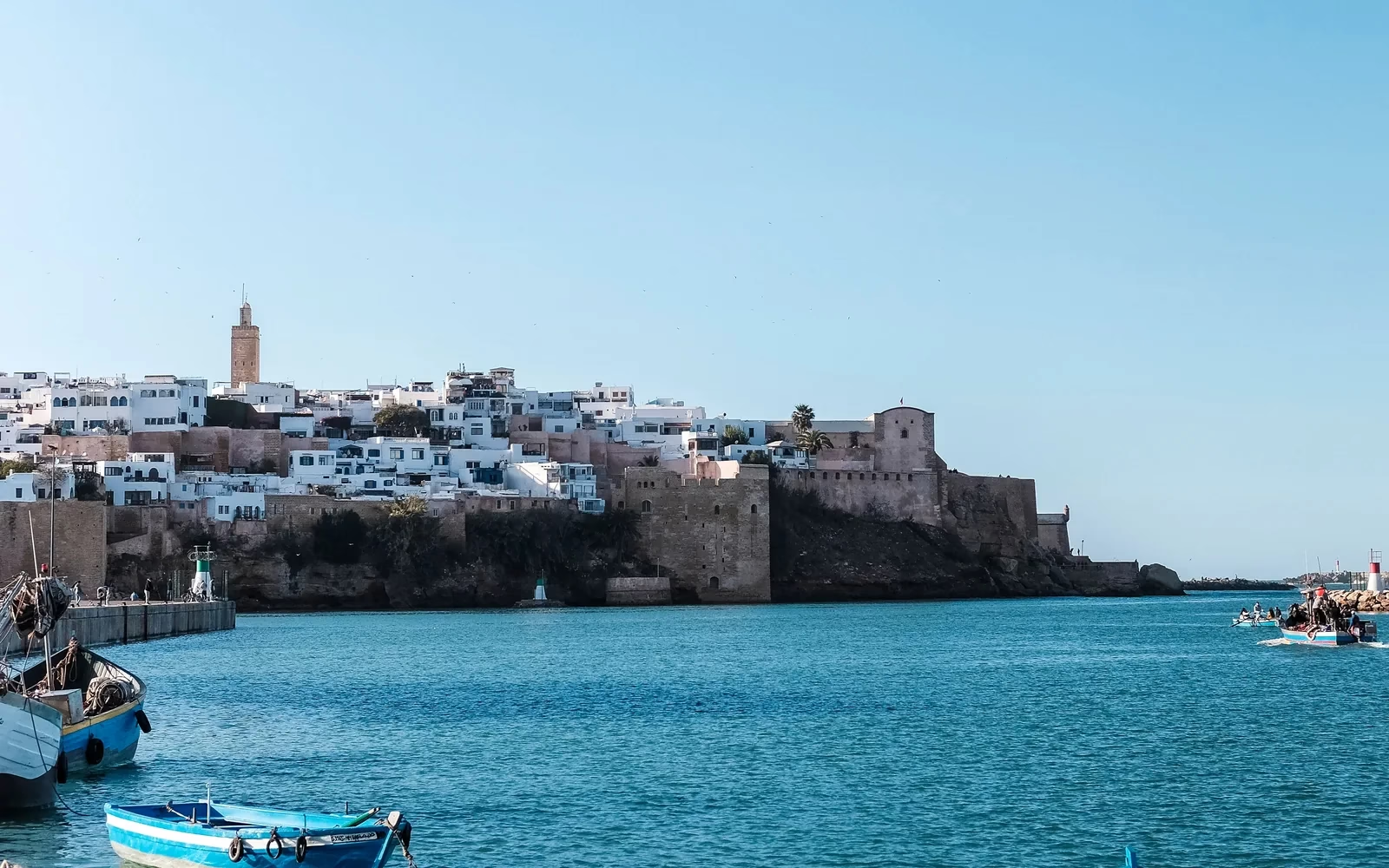
The fortified quarter overlooks the river mouth and Atlantic, with narrow lanes, white-and-blue walls, and viewpoints that explain its defensive position. It is a good place to slow down rather than follow a rapid monument circuit.
Combine the lanes with the Andalusian Gardens when open. Expect slopes and steps, keep residential entrances clear, and choose a café pause if your group prefers the view to more walking.
Hassan Tower and the Mausoleum of Mohammed V
The unfinished mosque’s tower and columns create a very different space from the enclosed kasbah. Beside them, the mausoleum adds a setting of royal remembrance and detailed Moroccan decoration.
Visit the two together, following guards’ directions and any restrictions. Dress respectfully and keep voices low; access for ceremonies or other official purposes can change the usual visitor arrangement.
Chellah
Chellah combines ancient remains with a later fortified religious and funerary landscape. Gardens, walls, and archaeological layers reward an unrushed visit rather than a quick stop at the entrance.
Use a taxi from the central sights and check Chellah’s official practical information for tickets and access. Parts of the historic site have uneven ground or restricted accessibility, so request details if that affects your visit.
The medina and Rue des Consuls
The medina offers food shops and daily commerce as well as craft shopping. Rue des Consuls is a useful focus for visitors interested in textiles and the city’s trading history.
Link it with the kasbah instead of crossing town specifically to shop. Ask about materials and origin, and keep any purchase decision separate from accepting a friendly explanation.
The Mohammed VI Museum of Modern and Contemporary Art
A museum visit broadens the trip beyond dynasties and monuments to Moroccan artistic expression. It is especially useful on a wet day or when your group wants a break from outdoor walking.
Check the current exhibitions and closure day before going. Treat this as a focused visit, allowing time to look at a few works rather than adding several museums merely because they are nearby.
The Bou Regreg waterfront
A riverfront stroll connects the historic skyline with a more contemporary view of Rabat and neighboring Salé. It is a useful late-afternoon choice after museums or the medina.
Keep Salé as an optional separate extension if you have time, using suitable transport across the river. Do not rely on a particular boat crossing being available without checking locally.
Organize one or two days
For one full day, visit Hassan Tower and the mausoleum, take a lunch break, then explore the medina and Oudayas. This gives you three connected themes without trying to see every museum.
With a second day, visit Chellah in the morning and choose an art museum or waterfront afternoon. Two nights make this easier; three can suit late arrivals or travelers who want time in Salé.
Arriving by rail and moving around
Rabat has an airport and useful intercity rail connections. Distinguish central Rabat Ville from Rabat Agdal when booking; Al Boraq serves Rabat Agdal on the Tangier–Casablanca corridor.
Walk within the medina and kasbah cluster, then use taxis for Chellah or other distant stops. The tram is useful when your destination matches its route, including trips toward Salé; check the appropriate stop before boarding.
Food, season, and where to stay
Spring and fall generally favor sightseeing, summer is moderated by the coast, and winter can be rainy. Use our Morocco seasonal planner if Rabat is one stop on a longer inland route.
Choose the medina edge for historic atmosphere and walking access, Hassan for central sights, or a modern district for easier vehicle access. Confirm the precise distance to the station you will actually use.
Look for fish, seafood, and Moroccan pastries alongside everyday cafés. Tagines, couscous, and mint tea are shared national traditions; compare menus and prices rather than expecting a special dish at every landmark.
Where to go next
Casablanca, Tangier, and the imperial cities connect logically with Rabat. Our seven-day tour starting in Casablanca includes a Rabat stop; request an overnight extension if you want Chellah and museum time as well.
Frequently asked questions
Is Rabat worth more than a short stop?
Yes. A short stop covers the main royal landmarks, while an overnight stay adds the medina, kasbah, museums, and Chellah at a better pace.
Which Rabat station should I choose?
Choose according to your train and accommodation. Rabat Ville and Rabat Agdal are distinct stations; high-speed Al Boraq uses Agdal.
Can I tour the Royal Palace interior?
Do not plan on an interior visit. Focus on established public sights and follow security instructions around royal and administrative areas.