

The best time to visit Morocco depends on your route, but spring and fall are the easiest seasons for most first-time visitors. The weather is generally more comfortable for exploring Marrakech and Fes, crossing the Atlas Mountains, and spending a night in the Sahara.
Summer can work well if you focus on the Atlantic coast or plan city activities for the cooler morning and evening hours. Winter brings mild daytime weather in many cities, but mountain routes and desert nights can be cold.
This guide compares the seasons, destinations, and travel conditions month by month so you can choose dates that match your route—not just the airfare.
Best time to visit Morocco at a glance
Best overall: March–May and September–November
Best for the Sahara: October–April
Best for the Atlantic coast: Year-round, especially summer
Best for Atlas hiking: April–June and September–October
Morocco seasons compared
Morocco’s conditions vary significantly between the coast, mountains, cities and desert. Use this overview to choose a season, then check the destination-specific advice below.
| Season | Months | Typical conditions | Best for | Crowds |
|---|---|---|---|---|
| Spring | March–May | Mild to warm | Cities, Atlas and Sahara | Popular |
| Summer | June–August | Hot inland; cooler coast | Atlantic coast and northern Morocco | Varies by region |
| Fall | September–November | Warm to mild | Most Morocco routes | Popular |
| Winter | December–February | Mild days; cold nights | Cities and quieter travel | Generally quieter |
Best time to visit Morocco by season
The best season depends on whether your trip focuses on Morocco’s imperial cities, the Atlas Mountains, the Sahara or the Atlantic coast. Here is what U.S. travelers can realistically expect throughout the year.
Spring: March through May
Spring is one of the easiest times for a first trip to Morocco. Days are generally comfortable for walking through Marrakech and Fes, crossing the Atlas Mountains and traveling toward the Sahara.
March and April suit multi-region itineraries particularly well, including for travelers planning an Easter trip to Morocco. May becomes warmer inland, while the mountains and Atlantic coast usually remain more comfortable. Bring a light layer for evenings and early-morning desert departures.
Summer: June through August
Summer is hottest in inland destinations such as Marrakech, Fes and the routes leading toward the Sahara. If these are your only travel dates, schedule outdoor sightseeing for the morning and evening and choose accommodations with reliable air conditioning.
The Atlantic coast is a better match for many summer travelers. Essaouira is generally cooler and windier than inland Morocco, making it easier to combine cultural sightseeing with time by the ocean.
Fall: September through November
Fall is another strong season for a multi-region Morocco itinerary. September can remain hot inland, while October typically brings more comfortable conditions for Marrakech, the Atlas Mountains and the Sahara.
November is usually quieter and cooler, particularly after sunset. Pack layers if your route includes mountain passes or an overnight desert camp.
Winter: December through February
Winter works well for city sightseeing and travelers who prefer to avoid intense heat. Marrakech and Fes can have pleasant daytime conditions, but mornings and evenings may feel cold.
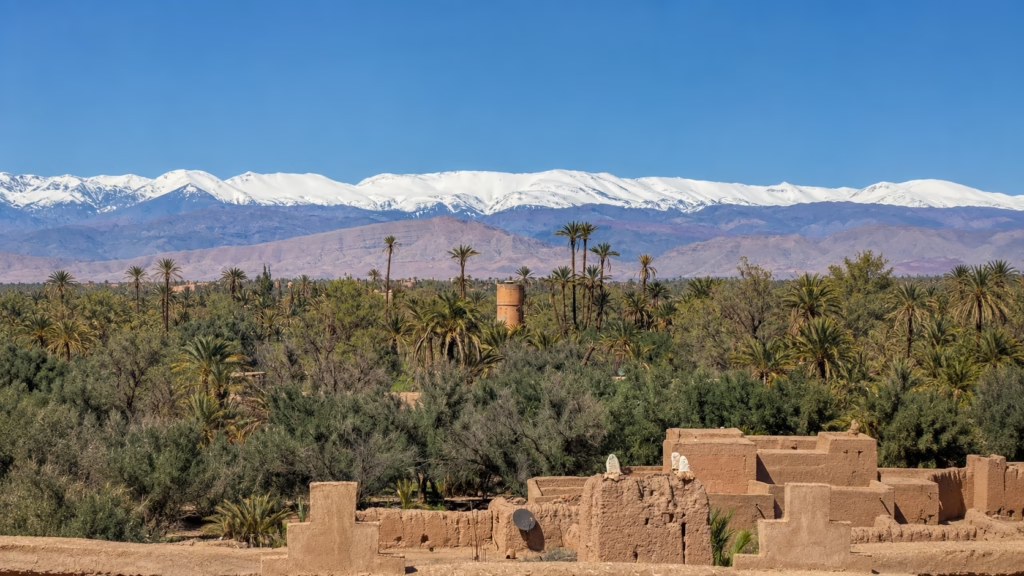
Expect colder nights in the Sahara and possible snow in the High Atlas. Bring warm layers and allow some flexibility when crossing mountain routes after winter weather.
Best time to visit Morocco by destination
Morocco has several distinct climates. Choose your travel dates according to the regions that matter most to your itinerary.
| Destination | Recommended period | What to consider |
|---|---|---|
| Marrakech | October–April | Summer afternoons can be intensely hot. |
| Sahara Desert | October–April | Winter nights can be cold, even after mild days. |
| Atlas Mountains | April–June and September–October | Snow may affect higher routes during winter. |
| Essaouira and the Atlantic coast | Year-round, especially summer | The coast is generally cooler and windier than inland Morocco. |
| Fes | March–May and September–November | Milder conditions make medina walking more comfortable. |
Morocco month-by-month
Use this quick planner to match each month with the regions and experiences that generally work best.
| Month | What to expect | Best fit |
|---|---|---|
| January | Mild city days with cold mornings, evenings and desert nights. | Marrakech, Fes and quieter sightseeing. |
| February | Cool mornings with gradually warmer afternoons. | Cities and lower-elevation day trips. |
| March | Spring conditions begin across much of the country. | Multi-region tours and desert routes. |
| April | Comfortable conditions in many regions; advance booking is wise. | Cities, Atlas Mountains and Sahara. |
| May | Warmer inland, with comfortable mountain and coastal conditions. | Atlas Mountains and Atlantic coast. |
| June | Hotter inland while coastal destinations remain more moderate. | Essaouira, coast and mountain escapes. |
| July | Intense inland heat, especially during the afternoon. | Atlantic coast and northern Morocco. |
| August | Very hot inland; coastal breezes offer some relief. | Essaouira and relaxed coastal travel. |
| September | Late-summer warmth that becomes more comfortable later in the month. | Coast, cities and early fall routes. |
| October | Warm days and more comfortable desert conditions. | Most classic Morocco itineraries. |
| November | Cooler and often quieter, particularly after sunset. | Cities and desert travel with layers. |
| December | Mild city days with cold mountain and desert nights. | Marrakech, Fes and winter sightseeing. |
For additional country-level climate information, consult the Moroccan National Tourist Office climate and seasons guide.
Planning a Morocco trip from the U.S.
- Compare arrival airports: Check flights to both Casablanca and Marrakech. A slightly higher airfare may save several hours of ground travel. For everyday expenses beyond flights, see our guide to Morocco travel costs.
- Keep the first day light: An easier arrival day helps after an overnight flight and time-zone change.
- Match the route to your vacation time: With one week, focus on a city plus the desert or coast. Ten to fourteen days allows a more relaxed multi-region itinerary.
- Pack for temperature changes: Mountain and desert nights can feel much colder than daytime conditions, even during otherwise warm months.
Frequently asked questions
What is the best month to visit Morocco?
April and October suit many first-time itineraries because they often provide comfortable conditions across the cities, mountains and desert. Your best month still depends on the regions included in your route.
Is summer a bad time to visit Morocco?
No, but the itinerary needs to match the season. Focus more time on the Atlantic coast, schedule inland sightseeing during cooler hours and avoid unnecessarily long afternoons outdoors.
When is the best time to visit the Sahara Desert?
October through April generally offers more comfortable desert conditions. Remember that winter nights can be cold, so warm layers are essential for an overnight camp.
Does it snow in Morocco?
Yes. Snow is common at higher elevations in the Atlas Mountains during winter and may occasionally affect mountain roads and passes.
Is one week enough for Morocco?
One week works best when you focus on a city plus either the Sahara or Atlantic coast. Ten to fourteen days provides a more relaxed pace for combining several regions.
Choose a Morocco route that fits the season
Once you know when you want to travel, use the Morocco Trip Planner to choose a route that matches the weather, your available time and the regions you most want to experience.
- Compare our Morocco tours from Marrakech for routes through the Atlas Mountains and Sahara.
- During warmer months, consider a day trip from Marrakech to Essaouira for cooler Atlantic conditions.
- For mountain scenery, explore our Imlil day trip from Marrakech.