

Imagine Morocco · Destination guide
Tetouan Travel Guide: Andalusian Heritage, Medina Walks, and the Coast
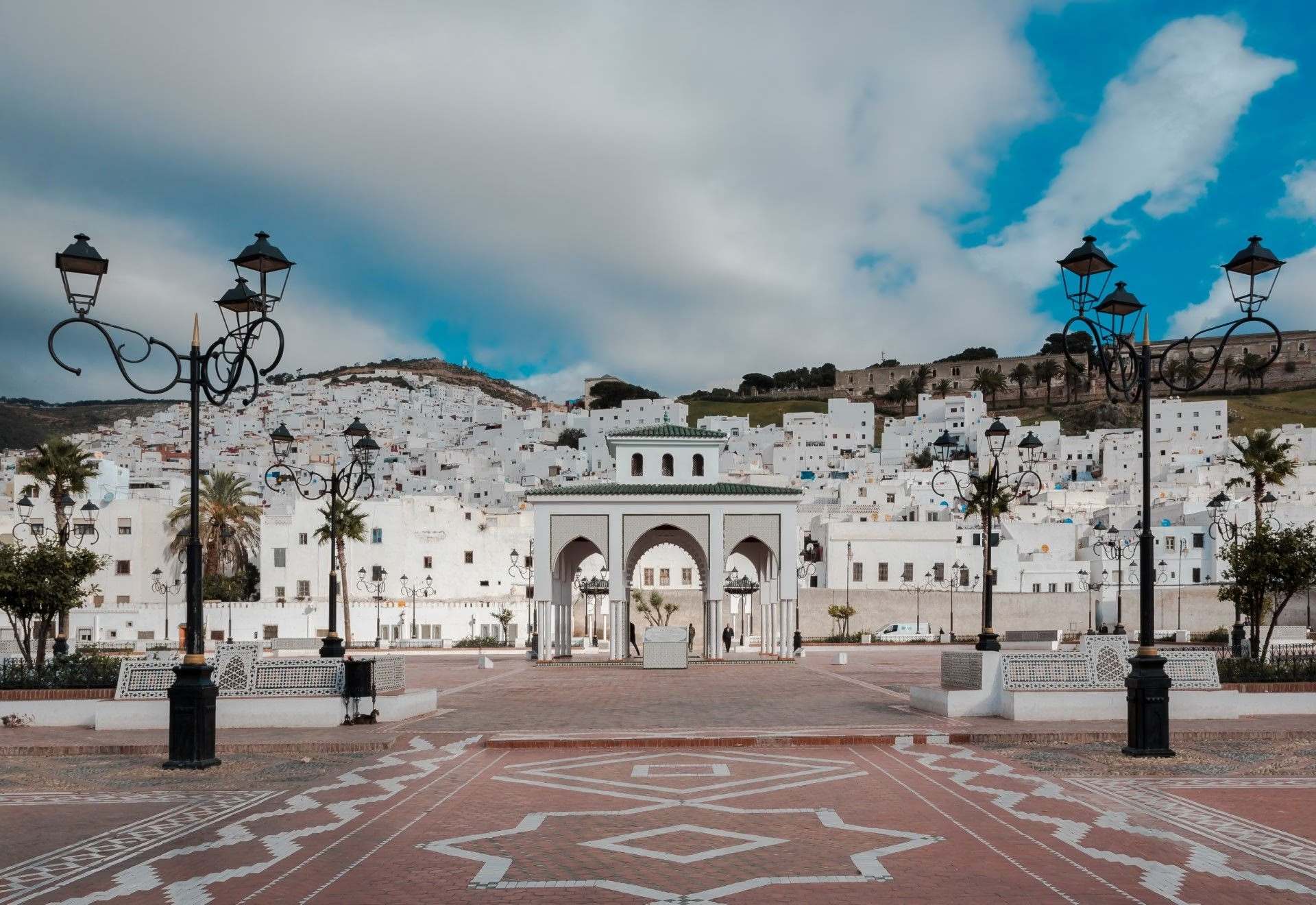
Feddan Square, Tetouan · Imagine Morocco image library
Tetouan offers a distinctive northern mix of Andalusian heritage, a working medina, and a Spanish-era city center. It is particularly rewarding for travelers interested in architecture and crafts, with the Mediterranean coast available as a separate outing.
At a glance
| Main appeal | Andalusian medina, crafts and Spanish-era streets |
|---|---|
| Suggested time | 1 full city day; 2 nights with a coast outing |
| Suitable season | Spring and fall; busy coastal summers |
| How to explore | Walk central districts; taxis for the coast |
Best things to see and do in Tetouan
The UNESCO-listed medina
Tetouan’s old city feels different from Morocco’s larger imperial medinas, with its whitewashed fabric, close lanes, and strong Andalusian connections. The UNESCO description of Tetouan explains the heritage that makes this more than a picturesque walk.
A licensed guide helps connect gates, markets, and neighborhoods without excessive backtracking. Ask for a cultural walk with your preferred amount of shopping rather than leaving that balance unclear.
Bab el-Oqla and the craft districts
The gate area gives a useful starting point for noticing the skills behind carved wood, embroidery, tilework, and everyday objects. Workshops offer context when a craftsperson is willing to explain their work.
Do not assume that a school or private workshop is open to casual visitors. Arrange any demonstration in advance, ask before photographing, and agree on whether a visit has a charge.
Place Hassan II and the palace exterior
The palace frontage and open square provide a contrast with the narrow medina streets. This is a useful pause for understanding how the ceremonial city meets the older urban fabric.
Treat the Royal Palace as an exterior stop, not a bookable interior attraction. Security arrangements can change access around the square, so follow directions and keep the route adaptable.
The Spanish-era Ensanche
Broad streets, apartment facades, and civic buildings reveal a later layer of Tetouan’s history. Walking toward Place Moulay el-Mehdi makes the change from the medina’s enclosed lanes particularly clear.
Look for architectural details and stop at a café rather than trying to enter every building. Churches and institutions may have their own schedules; exterior appreciation is still a worthwhile part of this route.
El Feddan and city views
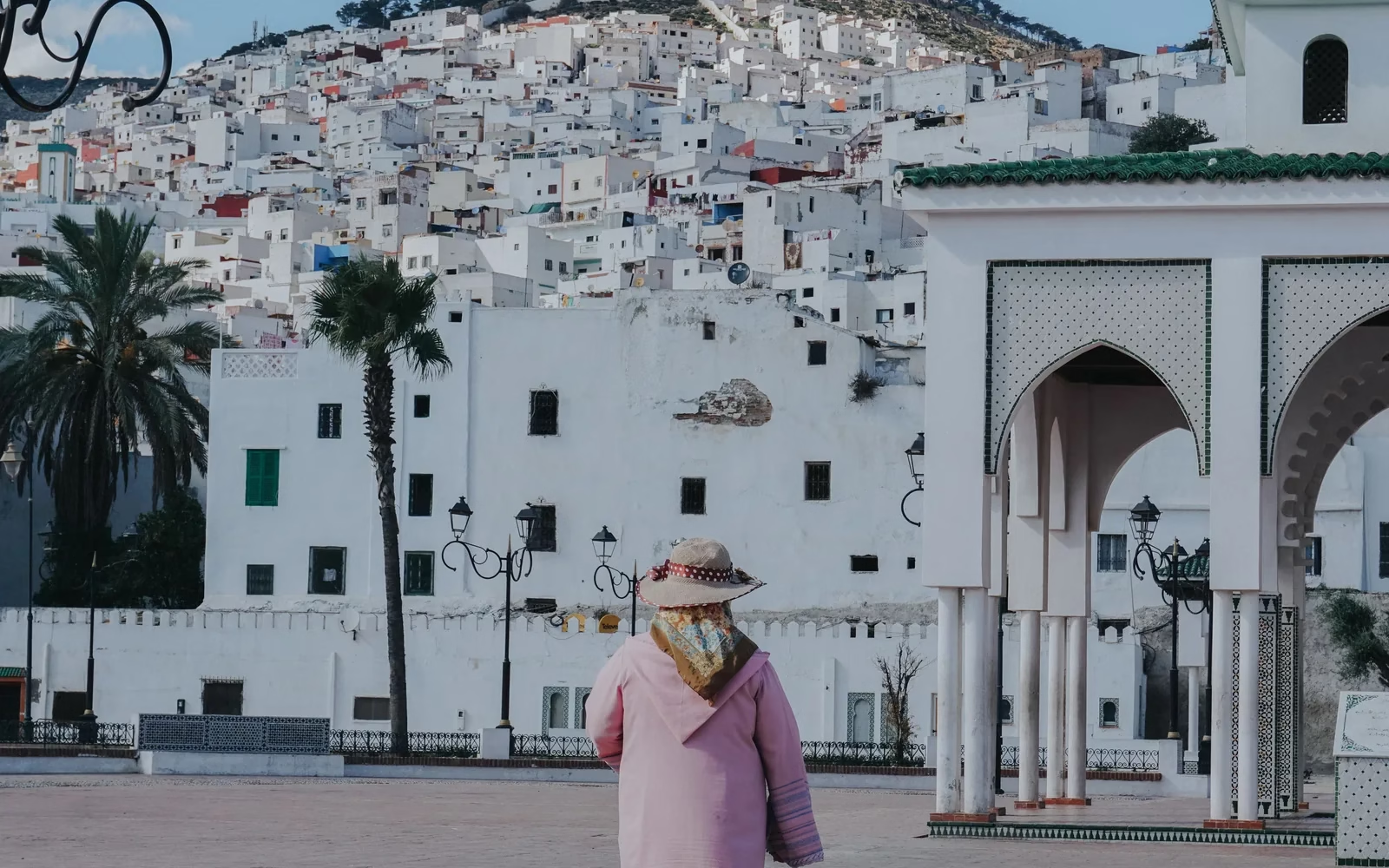
An open-square stop around El Feddan gives space to take in the white city against its hillside setting. It suits visitors who want a wider view after spending the morning in close medina streets.
Choose a comfortable public viewpoint and keep time for the return to your accommodation. You do not need a difficult climb or access to a closed fortification to appreciate Tetouan’s position.
Martil or M’diq as a separate coastal outing
The nearby Mediterranean coast offers promenades, seafood, and beach time beyond the historic city. Martil and M’diq are different places, so choose one according to your interests rather than racing through both.
Arrange a taxi or other road transport and a return plan. Summer traffic and demand can affect the outing, and swimming should depend on the conditions and local guidance that day.
A practical walking day
Begin near Bab el-Oqla with a guided medina walk, then continue toward Place Hassan II. After lunch, explore the Ensanche and finish with a café or El Feddan viewpoint.
One full day provides a useful city introduction. Stay two nights if you want the coast as well; an arrival afternoon and departure morning are not equivalent to a complete sightseeing day.
Getting to Tetouan and choosing a base
Tetouan is reached by road from Tangier or Chefchaouen, with its own airport useful only when available flights fit your route. There is no intercity passenger rail station; confirm coach services or arrange a transfer.
Stay in or near the medina for atmosphere, checking stairs and the nearest vehicle-accessible gate. The Ensanche is practical for restaurants and taxi access. A coastal hotel works for beach priorities but adds travel to city sightseeing.
The eight-day tour from Tangier includes a Tetouan visit en route to Chefchaouen. Request extra time separately if you want a full medina day instead of a shorter stop.
Weather, food, and practical details
Spring and fall suit walking, while summer brings more visitors to the Mediterranean coast. Winter can be rainy; carry a light waterproof layer and choose shoes that grip smooth stone.
Try fresh jben cheese, northern pastries, and fish on a coastal outing. Bissara and Moroccan breakfast breads are also worth seeking out, while tagines and couscous are common across the country.
The national tourism office’s medina guide describes the city’s cultural layers. Ask permission before portraits and avoid treating residential alleys as empty photo locations.
Continue through northern Morocco
Chefchaouen adds a mountain-town stay, while Tangier offers museums and Strait views. Use our guide to choosing your Morocco trip length before combining this northern circuit with distant Sahara travel.
Frequently asked questions
Is Tetouan the same as Chefchaouen?
No. Tetouan has a white medina and Spanish-era center; Chefchaouen is a smaller blue-painted mountain town. They complement one another.
Can I visit the coast and medina in one day?
You can make a short visit to each, but a separate coastal day leaves more time for the city and avoids a rushed return.
Do I need a guide in Tetouan?
A guide is valuable for the medina’s history and workshop context. The wider streets of the Ensanche are easier to explore independently.