

Imagine Morocco · Destination guide
Tangier Travel Guide: The Kasbah, Strait Views, and Coastal Excursions
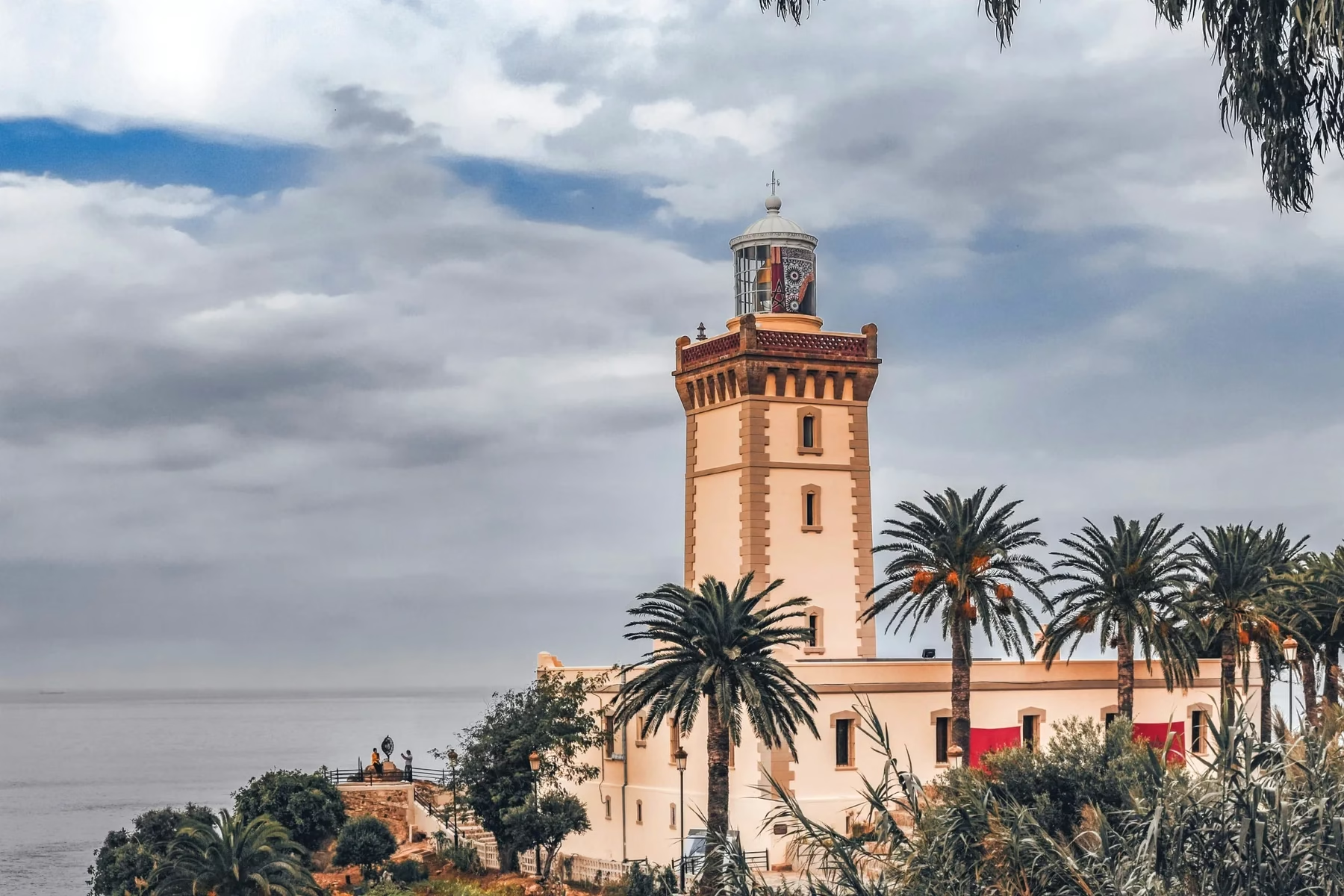
Cape Spartel, near Tangier · Imagine Morocco image library
Tangier brings Morocco’s medina life together with a history shaped by trade, diplomacy, and its position facing Europe. It suits travelers interested in museums and coastal scenery, and makes a practical starting point for a northern Morocco route.
At a glance
| Main appeal | Kasbah, international history and Strait scenery |
|---|---|
| Suggested time | 2 full days; 2–3 nights |
| Suitable season | Spring and fall; summer for a busier coast |
| How to explore | Walk central districts; taxis for hills and coast |
Best things to see and do in Tangier
The kasbah and its viewpoints
Start high in the old city for sea views, gateways, and a quieter introduction to the medina. The kasbah’s position makes Tangier’s relationship with the Strait immediately clear.
Cobbled slopes and steps can be demanding. Take a taxi to a suitable upper access point if needed, then walk downhill; ask locally which museum spaces are open if you want to add the former palace collections.
Petit Socco and Grand Socco
These squares help organize a medina walk: Petit Socco belongs to the intimate old-city lanes, while Grand Socco marks a transition toward the newer city. Café stops are part of the experience, not wasted sightseeing time.
Link them by a short walk through the shops rather than trying to cover every alley. A local guide is useful if you want to understand Tangier’s international-era history alongside the buildings.
Tangier American Legation
For American visitors, the Legation offers a particularly relevant connection between Morocco and the United States. Its historic building now houses a museum and cultural institution.
Check the American Legation visitor information before planning your medina route. Give the displays some time rather than treating the building as a quick stop for its U.S. association.
Marshan and the Café Hafa area
The hillside neighborhoods west of the medina offer another perspective on the Strait. A tea stop or slow walk here provides a welcome contrast with indoor museum visits.
Expect terraces and steps, and choose a seat according to access as well as the view. Do not plan to balance on cliff edges for photographs; exposed viewpoints deserve ordinary care, especially in wind.
The city waterfront
Tangier’s bayfront is useful for a more level walk after the steep old city. The marina and promenade show a contemporary side of the city and work well for a relaxed evening.
Choose this for an easy stroll, not as a substitute for checking swimming conditions. A waterfront hotel can suit travelers who value vehicle access and an open setting over sleeping inside the medina.
Cap Spartel and the Hercules Caves area
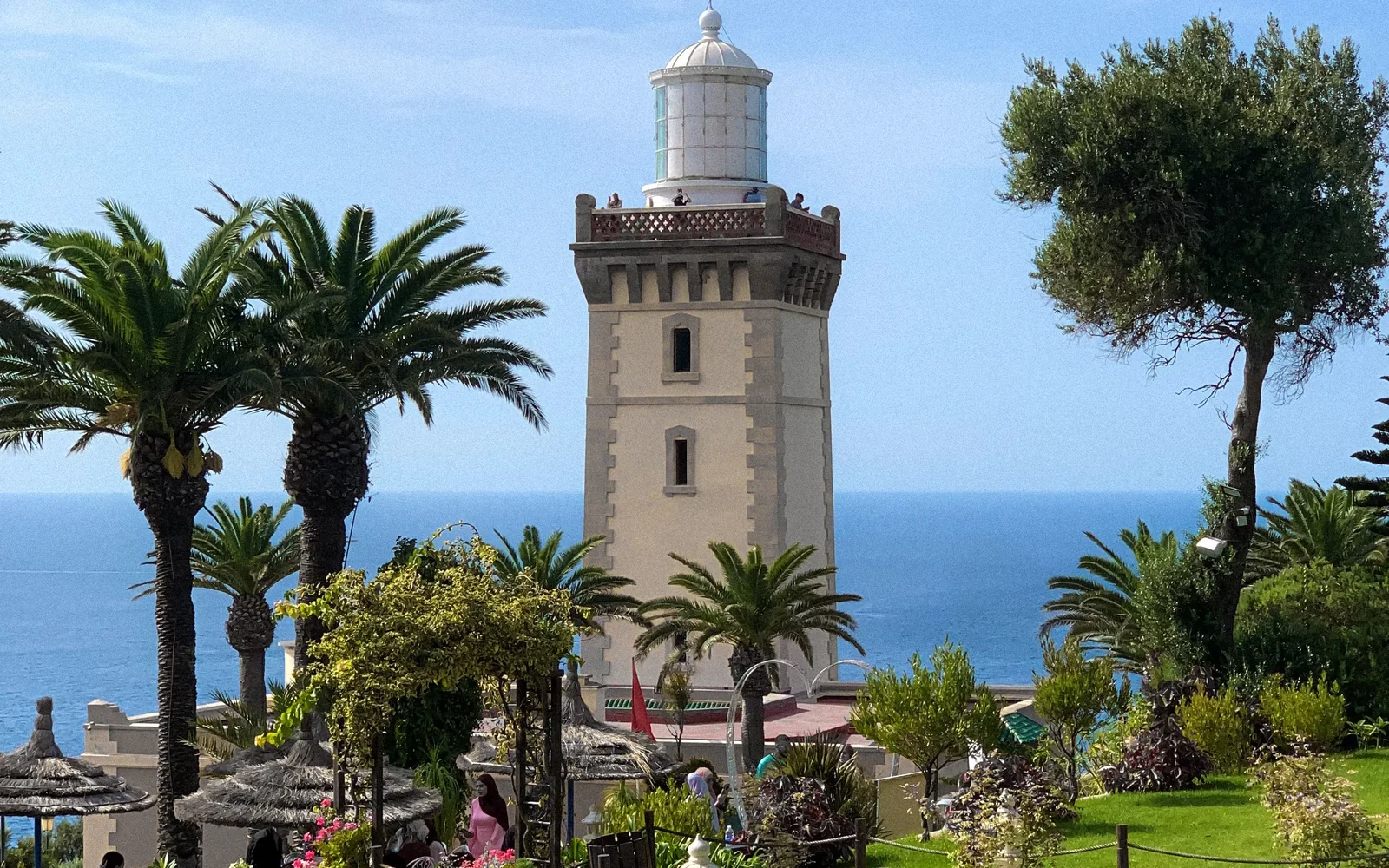
This coastal excursion takes you west of the city for Atlantic scenery, viewpoints, and the well-known cave setting. It belongs in a separate half-day with transport rather than a hurried extension of a walking tour.
Agree on stops, waiting time, and the return fare before leaving. Confirm cave access for your date and let weather guide the plan; the coastline is still the main attraction when an interior visit is unavailable.
A manageable two-day plan
Use day one for the kasbah, medina squares, and American Legation, with lunch between them. End with the waterfront if you still want to walk.
Reserve day two for Cap Spartel and the coast, then return for Marshan or a museum. If arriving late by ferry or plane, count that as an arrival day rather than one of your two sightseeing days.
Ports, trains, and getting around
Check your exact ferry port: Tangier Ville is by the city, while Tanger Med requires a separate road transfer. Build immigration and transfer time into any onward booking.
Tangier also has an airport and rail services; ONCF’s Al Boraq destination page confirms links with Rabat Agdal and Casablanca. Use taxis between outer neighborhoods, and explore the medina on foot.
Season, food, and accommodation
Spring and fall favor sightseeing, while summer brings more coastal visitors. Winter can be wet and windy; bring a layer even when the afternoon looks sunny.
Stay in the medina for character, checking stairs and luggage access, or near the waterfront for easier transfers. Try fresh fish, a northern-style bissara bean soup when available, and bread with local cheese; many breakfast dishes are shared across Morocco.
Continue into the Rif
Tetouan and Chefchaouen are sensible next stops by road. The eight-day Tangier to Marrakech tour includes both before heading south. Use our Morocco arrival and preparation advice to organize port pickup, money, and luggage before traveling.
Frequently asked questions
Are Tangier Ville and Tanger Med the same port?
No. Confirm the port printed on your ticket and book the correct pickup; Tanger Med is outside central Tangier.
Can I see Tangier on a short ferry visit?
A short visit can cover part of the medina and kasbah. Reserve the coastal excursion for an overnight stay and leave time for ferry check-in.
Is Tangier flat enough for easy walking?
The waterfront is easier than the steep medina and kasbah. Combine short walks with taxis if hills or steps are difficult.