

Traveling to Morocco from North America is easier than the map may suggest. Selected nonstop routes connect Morocco with cities in the United States and Canada, while one-stop flights make the country accessible from most major North American airports.
After landing, one route can combine imperial cities, the Atlas Mountains, the Atlantic coast and the Sahara Desert. The challenge is not finding places to visit; it is connecting them without turning the holiday into a series of long drives and one-night hotel stays.
This guide covers flights, arrival airports, entry requirements, trip length, transportation, safety, costs and realistic first-time routes for travelers from the United States, Canada and Mexico.
Information reviewed
August 31, 2026. Airline schedules, entry requirements and government travel advice can change, so recheck official information before departure.
Morocco From North America: Quick Facts
| Planning question | Practical answer |
|---|---|
| Main arrival airports | Casablanca Mohammed V International Airport and Marrakech Menara Airport |
| Ideal first-trip length | About 9 to 12 nights for a city, desert and Marrakech route without rushing every day |
| Tourist visa | U.S., Canadian and Mexican passport holders are generally visa-exempt for ordinary tourist visits of up to 90 days. Confirm the current rule before travel. |
| Best all-round seasons | Spring and autumn, especially for an itinerary combining cities, mountains and the Sahara |
| Local currency | Moroccan dirham, abbreviated as MAD |
| Best transport mix | Trains between major cities and road transport for Chefchaouen, valleys, mountains and desert |
Why Travel to Morocco From North America?
Morocco offers a major change of culture and landscape within one country. You can start among the monuments of Rabat or Fes, cross cedar forests and mountain passes, stay beside the dunes of Merzouga and finish in Marrakech or Essaouira.
It also suits different travel styles. Couples can combine private transport with traditional riads, families can choose slower routes and 4×4 desert transfers, and independent travelers can use trains between larger cities before arranging road transport for the south.
Imagine Morocco planning note:
The best itinerary is not the one with the longest destination list. It is the one that leaves enough time to walk, eat, rest and understand each place instead of checking into a different hotel every night.
Flights From North America to Morocco
Flights from the United States
Royal Air Maroc sells Casablanca service from U.S. gateways including New York, Washington Dulles and Miami. United has also operated seasonal service between Newark/New York and Marrakech. Open the complete itinerary before paying to confirm whether the flight on your date is nonstop, seasonal or connecting.
Travelers from Boston, Chicago, Dallas, Atlanta, Los Angeles, San Francisco and other cities normally compare a domestic connection to a nonstop gateway with a one-stop journey through Europe. Compare the total travel time, luggage allowance and connection protection rather than the headline fare alone.
Flights from Canada
Royal Air Maroc lists Casablanca routes serving Montreal and Toronto, with schedules varying by date and season. Travelers from western Canada and smaller cities usually need an additional connection. A connection in Canada may be simpler than changing airports in Europe, but the arrival time in Morocco can be equally important.
Flights from Mexico
Most travelers departing from Mexico compare one-stop routes through Europe, the United States or Canada. Check the transit requirements of the connecting country even when you do not plan to leave the airport. Keeping all flights on one ticket normally gives better protection after a delay.
Direct or connecting: which is better?
A nonstop flight is useful when the vacation is short, luggage simplicity matters or you want to reduce missed-connection risk. A connecting flight can still be better when it reaches the correct Moroccan city at a more convenient time.
Compare the journey from home to the first hotel, not only airport to airport. A slightly more expensive arrival in Marrakech may avoid a Casablanca hotel, train and transfer. Casablanca may be the better gateway when the route begins in Rabat, Chefchaouen or Fes.
- Keep medicine, documents and one change of clothing in your cabin bag.
- Allow enough connection time for immigration, terminal changes and luggage.
- Save accommodation and transfer details for offline access.
- Avoid beginning a full desert drive immediately after an overnight flight.
Check current schedules through Royal Air Maroc’s United States routes and Canada routes before purchasing non-refundable arrangements.
Casablanca or Marrakech: Which Airport Is Better?
Fly into Casablanca when:
- Your route starts in Rabat, Chefchaouen, Meknes or Fes.
- You found the most practical nonstop connection.
- You plan to use Morocco’s main rail corridor.
- Your trip will finish in Marrakech.
Fly into Marrakech when:
- Your trip focuses on Marrakech, Essaouira or the High Atlas.
- You are planning a southern Morocco or desert circuit.
- Your vacation is short and Casablanca is not a priority.
- The flight arrives at a more useful time.
An open-jaw ticket, arriving in Casablanca and departing from Marrakech or the reverse, can remove a full backtracking day. Compare the fare difference with the cost of an extra train or private transfer, meals and a possible hotel night.
Your first 24 hours after landing
Arrange the first airport transfer before departure, particularly for a late arrival. Riads inside pedestrian medinas cannot always be reached directly by vehicle, so ask the accommodation for its meeting point.
Keep the first evening light. Check in, eat nearby, obtain enough dirhams for the next day and arrange mobile data when useful. Travelers landing in Casablanca and continuing north may prefer a first night in Rabat rather than crossing the country immediately.
Jet lag and coordinating the first tour day
Morocco is several hours ahead of North America, with the difference depending on your home time zone and seasonal clock changes. Travelers arriving from the East Coast may adjust faster than those arriving from western Canada, California or Mexico’s Pacific coast. Keep the first two evenings flexible, drink water and avoid committing to an early, demanding activity after a late arrival.
Send the tour operator your airline, flight number and scheduled arrival time, then update them when a delay occurs. A reliable first-day plan should include time for immigration, luggage and the airport transfer. When a flight lands very late, sleeping near the arrival city is normally more comfortable than beginning a mountain or desert road journey at night.
Morocco Entry Requirements for North American Travelers
U.S., Canadian and Mexican tourists are generally visa-exempt for visits of up to 90 days. Conditions can differ for temporary passports, emergency documents, dual nationals and travelers who are not citizens of their North American departure country.
Carry a passport with sufficient remaining validity and a blank page, along with your return or onward flight, first accommodation address and travel insurance details. Six months of remaining passport validity is the safer planning standard.
Before departure:
Verify the current rule for the passport you will actually use. Families traveling with children should also check whether supporting consent documents are needed.
Use the official Moroccan visa-exemption list, U.S. travel information or Canadian travel advice.
Best Time to Visit Morocco From North America
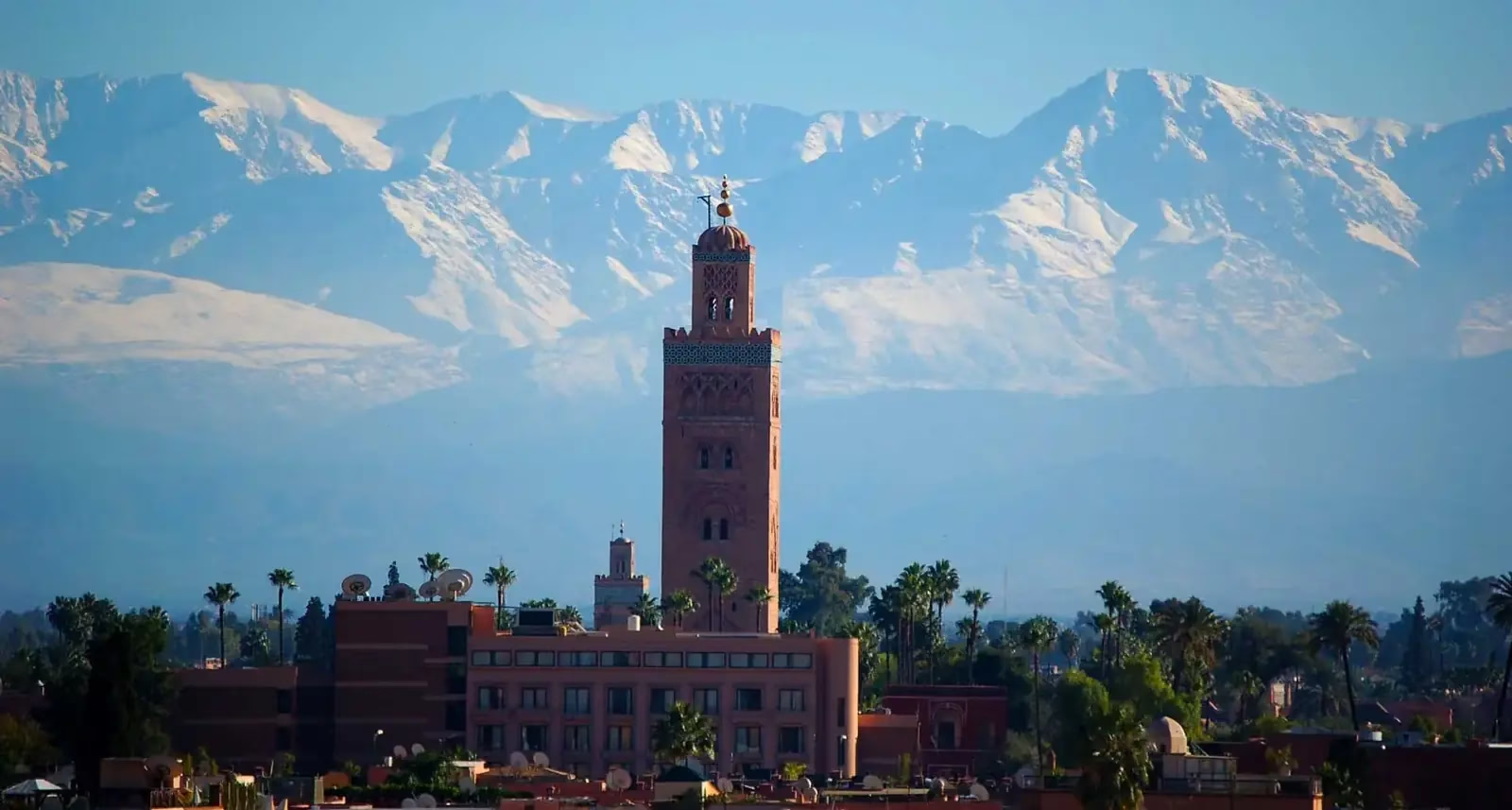
Spring and autumn provide the best overall balance for a route combining cities, mountains and desert. Conditions still vary by elevation and region, so one nationwide temperature forecast is not enough for a cross-country trip.
March to May
Spring is generally comfortable for city walks and desert circuits. Evenings can remain cool, and Easter in Morocco or spring-break dates may be busy.
June to August
Summer is better suited to the Atlantic coast and northern Morocco. Marrakech, Fes, inland valleys and the Sahara can be extremely hot, making early starts and lighter midday plans important.
September to November
Autumn is another strong all-round period as inland heat begins to ease. October is popular, so preferred riads and camps can fill earlier.
December to February
Winter may bring sunny days but cold nights. Snow and difficult weather can affect high mountain roads, so pack layers and keep some flexibility.
Ramadan moves earlier each year. Travel remains possible, but restaurant hours and local schedules may change outside the main tourist areas.
How Many Days Should You Spend in Morocco?
| Time available | Realistic first-trip focus | Pace |
|---|---|---|
| 5 to 7 days | Marrakech, High Atlas and Essaouira; or Casablanca, Rabat and Fes | Focused |
| 8 to 10 days | Casablanca, Fes, Merzouga, Dades Valley and Marrakech | Active |
| 11 to 14 days | Add Chefchaouen, Essaouira, a second desert night or slower city stays | Balanced |
| 15 days or more | Northern Morocco, imperial cities, Sahara, mountains and Atlantic coast | Flexible |
A seven-day trip can include the Sahara, but it involves long transfers. Fes to Merzouga is commonly one of the longest road days. From Marrakech, the desert journey is normally divided with an overnight around Ouarzazate, Dades Valley or another southern stop.
For travelers crossing the Atlantic, nine to twelve nights is a useful middle ground. It allows an arrival day, several major landscapes and at least one slower morning without requiring an unusually long vacation. You can build your Morocco itinerary around your arrival city, available days, Sahara preference and pace.
Local pacing advice:
Count hotel changes, not only destinations. Repeated one-night stays create more packing, check-ins and early departures than travelers often expect.
Best Places to Visit on a First Morocco Trip
Marrakech
Marrakech combines monuments, gardens, markets, restaurants and access to the High Atlas. Allow at least two nights. A medina riad offers atmosphere and walkable sightseeing, while accommodation outside the old city may provide easier vehicle access, larger rooms and a quieter night.
Fes
Fes is ideal for traditional crafts, architecture and its complex historic medina. A licensed local guide adds context and reduces time spent navigating. The city also connects naturally with Meknes, Volubilis, the Middle Atlas and the road to Merzouga.
The Sahara Desert at Merzouga
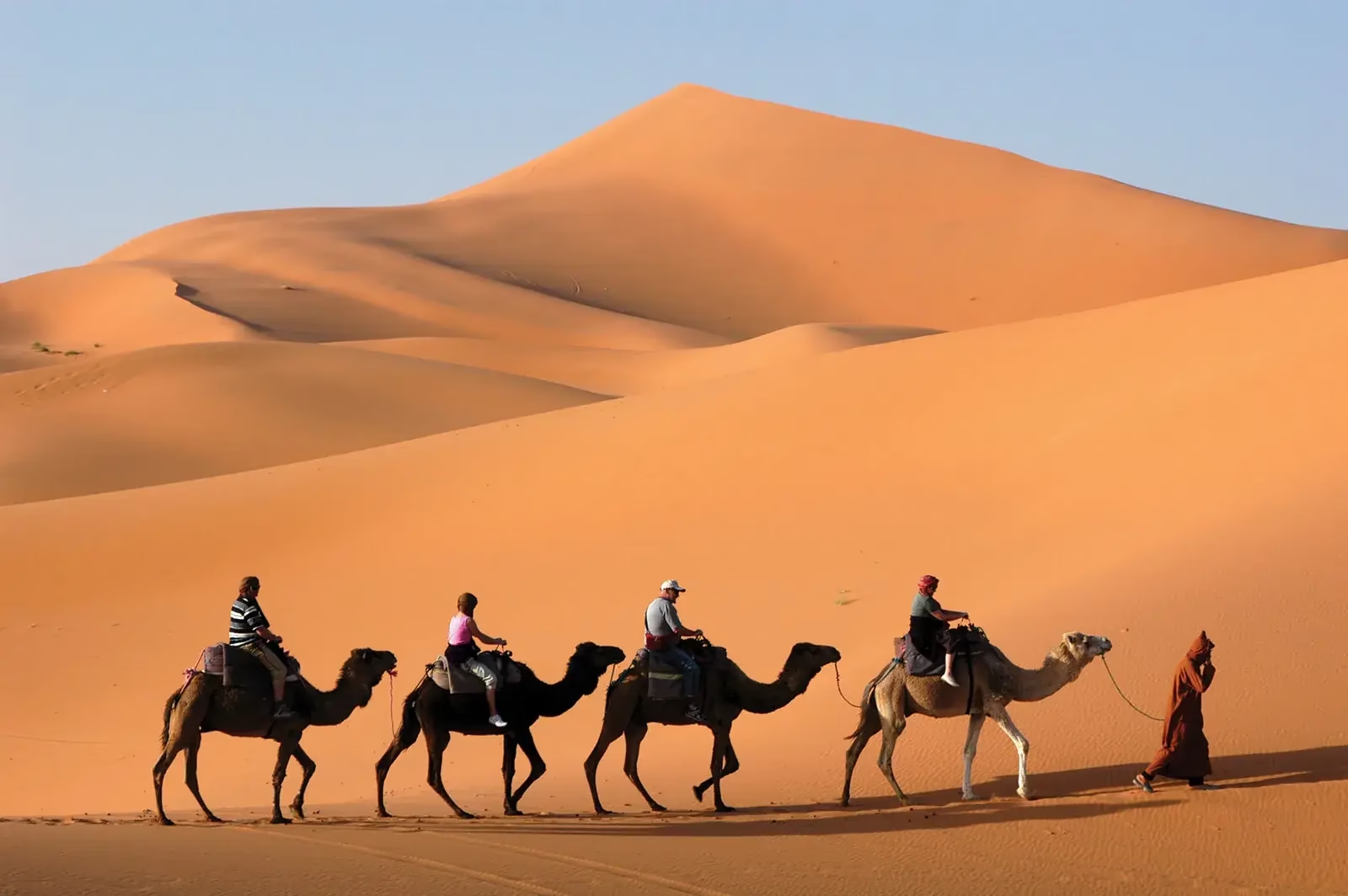
Erg Chebbi near Merzouga is the usual Sahara destination on routes between Fes and Marrakech. A stay may include a camel trek or 4×4 transfer, sunset, dinner and an overnight camp.
Ask whether the tent has a private bathroom, how luggage reaches camp and what happens during extreme heat, cold or wind. One night works for a shorter circuit; two nights create time beyond the arrival sunset.
Travelers starting in Fes can compare the 3-day Fes to Marrakech tour via Merzouga with a longer itinerary before choosing the pace.
Chefchaouen
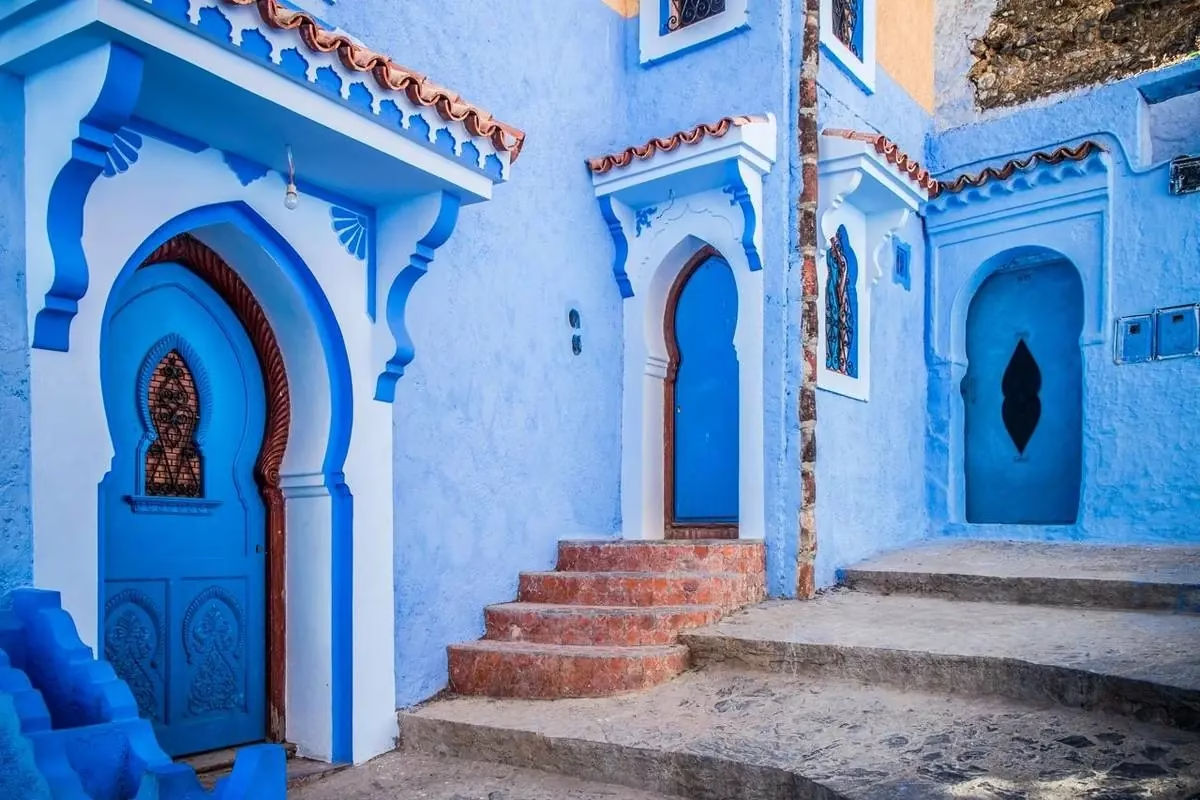
Chefchaouen fits naturally between Tangier or Casablanca and Fes. Its compact blue medina feels calmer than Morocco’s larger cities. Adding it to a short Marrakech-and-desert trip creates considerable extra driving, so include it when northern Morocco is a genuine priority.
See how it connects with the south in the 5-day Tangier to Marrakech itinerary.
Rabat, Casablanca and Essaouira
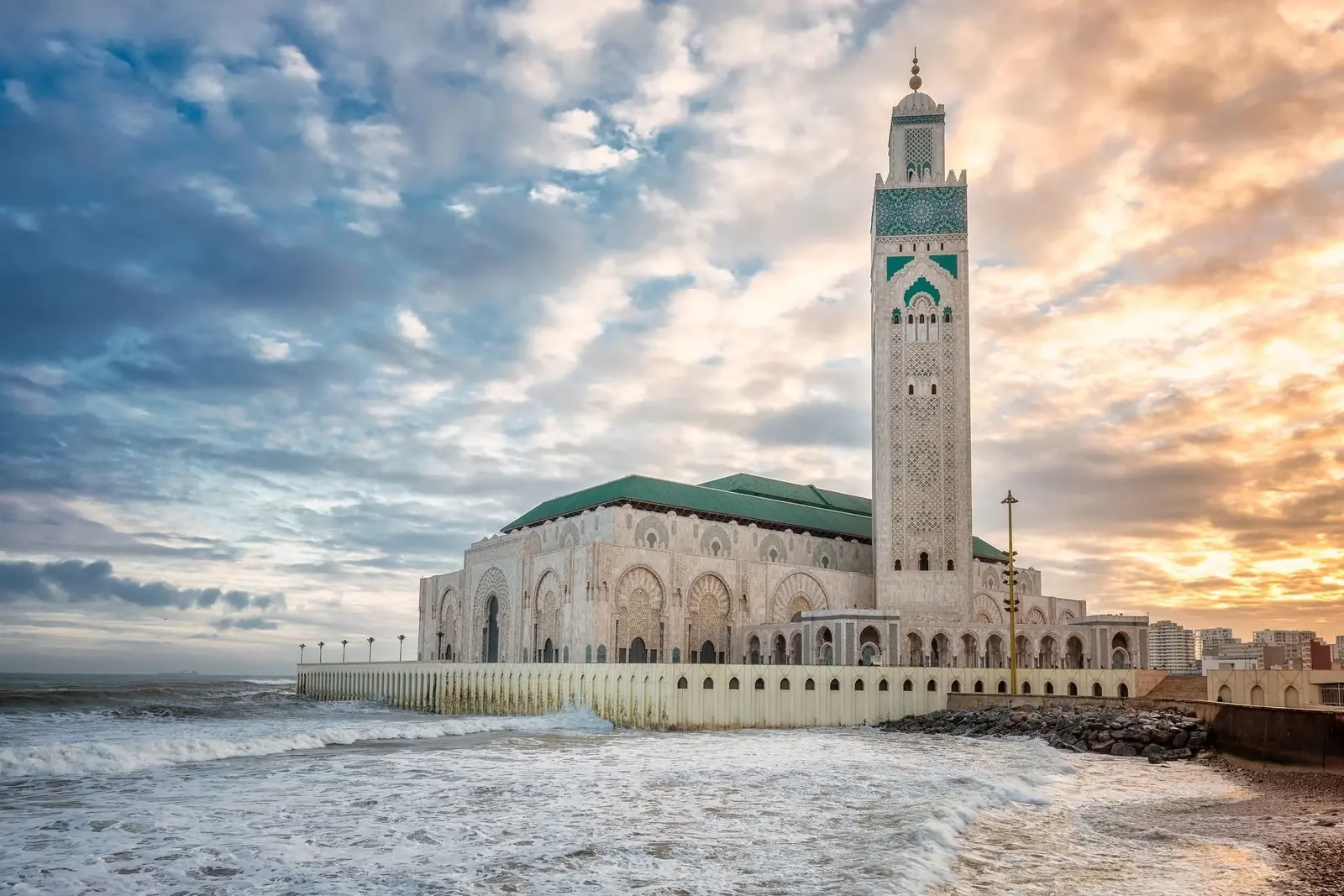
Rabat is a calm first stop after a Casablanca arrival. Casablanca is useful as an international gateway and for a focused visit to the Hassan II Mosque and seafront. Essaouira offers a contrasting Atlantic finish with a walkable medina, seafood and cooler coastal air.
Getting Around Morocco
Train travel
Trains are useful between Tangier, Kenitra, Rabat, Casablanca, Fes and Marrakech. Rail service does not directly reach Chefchaouen, Essaouira, Dades Valley or Merzouga, so these places require road transport. Check live schedules through the official ONCF website.
Private driver or private tour
Private transport is often easiest for a first journey combining Fes, Merzouga, Dades and Marrakech. Ask whether the same driver remains with you, which city guides are included, how much driving is expected each day and how luggage reaches the camp.
Rental car
A rental car suits confident drivers who are comfortable with city traffic, parking and mountain roads. Do not assume online map times include viewpoints, lunch, construction, weather or slow sections through mountain villages.
A practical middle option is independent train travel between northern cities followed by a private desert circuit where public transport is less convenient.
Morocco Travel Costs, Money and Internet
The Moroccan dirham is used for everyday purchases. Cards are accepted in many hotels, established shops and larger restaurants, but cash remains useful for small cafes, tips, markets and rural stops. Carry a backup card and check your bank’s foreign-transaction fees. For daily spending estimates, see our Morocco travel budget guide.
| Expense | What changes the price | What to confirm |
|---|---|---|
| International flights | Season, departure city, baggage and nonstop or connecting itinerary | Total journey time and luggage rules |
| Accommodation | Riad category, room type, city and travel season | Taxes, breakfast and cancellation terms |
| Private transport | Group size, route, vehicle and number of days | Fuel, driver expenses and airport pickup |
| Desert camp | Tent category, bathroom, location and activities | Meals, camel trek or 4×4 transfer |
| Guides and meals | Guided cities, monuments and restaurant level | Which guides, tickets and meals are included |
A low tour price is difficult to evaluate without a written inclusion list. Ask for the accommodation category, vehicle, meals, desert transfer, guides, entrance fees and airport transfers.
Arabic and Amazigh are official languages, French is widely used, Spanish is common in parts of the north and English is increasingly available in tourism. Local mobile data is available for unlocked phones, although service may weaken in remote mountain and desert areas.
Food and Cultural Etiquette
Moroccan cooking varies by region. Try tagine, couscous, pastilla, harira and rfissa, along with seafood on the Atlantic coast. Tell restaurants and your tour organizer about allergies in advance, then confirm again when ordering because a vegetable dish may still use meat stock.
Ask before photographing people or entering private spaces. Modest clothing is practical in traditional neighborhoods and religious areas. Accepting mint tea does not require a purchase, although tea can be part of a shop visit. During Ramadan, be considerate of people who are fasting.
Is Morocco Safe for North American Travelers?
Government advice commonly asks travelers to exercise increased caution or a high degree of caution in Morocco. The wording and regional notices may change, so read the latest complete notice rather than relying only on its headline level.
- Secure phones, wallets and passports in crowded medinas.
- Avoid demonstrations and unfamiliar, poorly lit streets late at night.
- Use reputable transport and clearly identified guides.
- Decline unofficial guiding firmly and politely.
- Keep accommodation and emergency contact details offline.
Travel insurance should cover medical treatment, cancellation and emergency assistance. Review official health guidance for your itinerary, particularly when traveling with young children, older relatives or prescription medicine.
Review the latest U.S. travel information or Canadian travel advice shortly before departure.
What to Pack for Morocco
Pack for changing landscapes rather than one climate. A traveler can experience a warm Marrakech afternoon, a cool mountain pass and a cold desert night during the same journey.
- Breathable clothing and a warm evening layer
- Comfortable walking shoes, sun protection and a light scarf
- A securely closing day bag and personal medicine
- A light rain jacket in wetter months
- Warmer sleepwear for winter desert nights
- Power bank, charging cables and offline document copies
First-Time Morocco Travel Tips
- Keep arrival day simple:
Overnight travel and immigration make an ambitious first afternoon harder than expected. - Judge routes by hours:
Mountain roads, lunches and viewpoints make distance alone misleading. - Reduce hotel changes:
Repeated one-night stays mean more packing and early departures. - Save details offline:
Store the first hotel address, driver contact, passport copy and insurance information. - Leave free time:
A terrace breakfast or quiet evening walk can be as memorable as a scheduled monument.
Sample First-Time Morocco Routes
Seven-day southern route
Marrakech – High Atlas – Ait Ben Haddou – Dades – Merzouga – Ouarzazate – Marrakech
Nine- or ten-day classic route
Casablanca – Rabat – Fes – Merzouga – Dades Valley – Marrakech
Twelve-day balanced route
Casablanca – Chefchaouen – Fes – Merzouga – Dades – Marrakech – Essaouira
Fourteen-day slower route
Add second nights in Fes, the desert, Marrakech or Essaouira instead of adding more single-night stops.
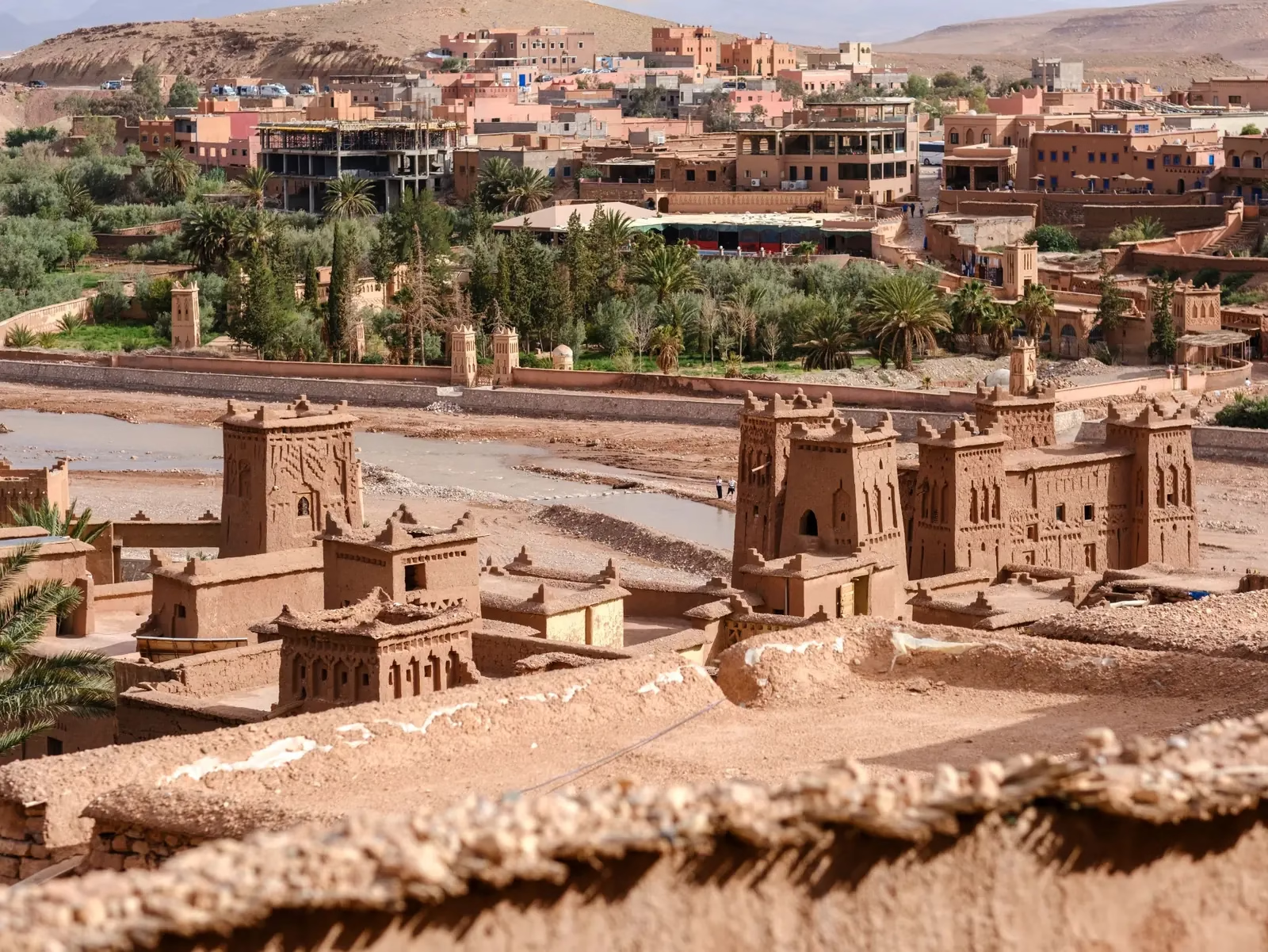
The 9-day Casablanca to Marrakech tour shows the structure of a logical north-to-south journey. Nights can be added or removed according to flight times and preferred pace.
How to Choose a Morocco Desert Tour
Ask whether the journey is private or shared, which vehicle will be used, how many hours are spent driving each day, which hotels are proposed and whether the camp tent has a private bathroom. Also confirm meals, local guides, luggage transfer, camel or 4×4 access, cancellation terms and possible adjustments for children, seniors or reduced mobility.
Frequently Asked Questions
Are there direct flights from North America to Morocco?
Yes. Selected U.S. and Canadian gateways have nonstop service, mainly to Casablanca, with some seasonal service to Marrakech. Confirm the operating days for your exact date.
How long is a flight from the United States?
A nonstop New York to Casablanca schedule is usually around seven hours eastbound. Connecting journeys vary greatly according to the origin and layover.
Do Americans and Canadians need a visa?
Tourists from both countries are generally visa-exempt for visits of up to 90 days. Confirm current passport requirements before departure.
Is Casablanca or Marrakech the better airport?
Casablanca usually suits Rabat, Chefchaouen, Fes and northern routes. Marrakech suits the High Atlas, Essaouira and southern Morocco. An open-jaw ticket may avoid backtracking.
Is seven days enough for Morocco?
Yes, for one focused route. It is not enough to cover Chefchaouen, Fes, the Sahara, Marrakech and Essaouira comfortably.
Can children and older travelers visit the Sahara?
Yes, when the route and weather are planned appropriately. A 4×4 transfer can replace the camel trek, and a slower itinerary can reduce consecutive long drives.
Can I use U.S. or Canadian dollars?
Everyday expenses are normally paid in Moroccan dirhams or by card. Carry dirhams for small purchases, rural stops and tips.
What is a strong ten-day itinerary?
Casablanca – Rabat – Fes – Merzouga – Dades Valley – Marrakech is a logical first route. With extra time, add Chefchaouen, Essaouira or a second desert night.
Plan Your Morocco Journey
Imagine Morocco arranges private, customizable journeys with airport pickup and air-conditioned transport. Share your arrival airport, departure airport, dates, group size, accommodation preference and must-see places so the route can be organized around your flights and pace.
Official Travel Resources
- Royal Air Maroc – United States routes
- Royal Air Maroc – Canada routes
- Moroccan Consular Services – Visa-exempt nationalities
- U.S. Department of State – Morocco travel information
- Government of Canada – Morocco travel advice
- Moroccan National Tourist Office – Climate and seasons
- ONCF – Official Moroccan train schedules